
Weather patterns around the world are influenced by many natural climate systems, but few are as important as El Niño and La Niña. These two climate phenomena can affect rainfall, temperatures, storms, agriculture, water resources, and ecosystems across continents.
If you have ever wondered what is El Niño, what is the difference between El Niño and La Niña, or how these events impact weather, this guide will help you understand everything you need to know.
From droughts in some regions to floods in others, the effects of El Niño and La Niña can be felt worldwide. Scientists carefully monitor these climate patterns because they play a major role in forecasting seasonal weather and preparing communities for extreme conditions.
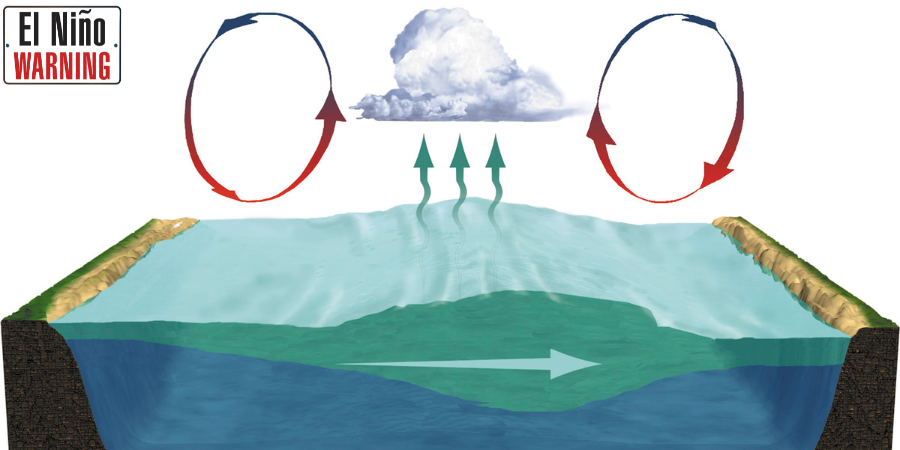
El Niño is a naturally occurring climate pattern characterized by unusually warm ocean surface temperatures in the central and eastern Pacific Ocean.
The term “El Niño” comes from Spanish and means “The Little Boy.” It was originally used by fishermen along the coast of South America who noticed warmer ocean waters around Christmas.
During an El Niño event:
Even a small increase in ocean temperature can significantly influence weather systems around the world.
Understanding La Niña meaning is important because it is the opposite phase of El Niño.
La Niña occurs when ocean surface temperatures in the central and eastern Pacific Ocean become cooler than normal.
During a La Niña event:
La Niña often brings different weather impacts than El Niño, which is why scientists monitor both closely.
The Pacific Ocean plays a critical role in regulating Earth’s climate.
Under normal conditions:
When these winds weaken, El Niño develops.
When these winds strengthen, La Niña develops.
These changes affect atmospheric circulation and weather systems across the globe.
Many people search for El Niño vs La Niña because the two events have opposite effects.
| Feature | El Niño | La Niña |
|---|---|---|
| Ocean Temperature | Warmer than normal | Cooler than normal |
| Trade Winds | Weaken | Strengthen |
| Rainfall in Eastern Pacific | Increases | Decreases |
| Global Temperature | Generally Warmer | Generally Cooler |
| Upwelling Near South America | Reduced | Increased |
| Flood Risk | Higher in some regions | Lower in some regions |
| Drought Risk | Higher in some regions | Different regions affected |
This comparison helps explain what is the difference between El Niño and La Niña.
These climate patterns influence:
Governments and meteorologists monitor ENSO (El Niño-Southern Oscillation) because it can affect millions of people worldwide.
Common El Niño impacts include:
Some areas experience:
El Niño often contributes to:
Regions such as:
may experience reduced rainfall.
La Niña often produces opposite conditions.
The Pacific Ocean becomes cooler than average.
La Niña can bring:
Some regions experience:
Farmers closely follow El Niño and La Niña forecasts because weather changes directly affect crops.
Potential impacts include:
Potential impacts include:
Agricultural planning often depends on seasonal climate forecasts linked to ENSO conditions.
Ocean temperatures strongly influence marine ecosystems.
Marine industries often experience major economic impacts during strong ENSO events.
Climate scientists use advanced technology to track ocean conditions.
Monitoring tools include:
Scientists focus heavily on the Pacific Ocean because small temperature changes across large ocean regions can influence global weather.
This is one of the most common climate-related questions.
Scientists regularly monitor Pacific Ocean temperatures to determine whether conditions are:
The answer can change from year to year because ENSO is a naturally occurring climate cycle.
Seasonal forecasts issued by meteorological agencies help determine the current phase.
El Niño and La Niña are natural climate events.
However, climate change may influence:
Researchers continue studying how rising global temperatures interact with ENSO patterns.
While El Niño itself does not cause climate change, it can temporarily increase global temperatures.
Understanding El Niño and La Niña is essential because these climate patterns influence weather around the world. Whether it is drought, flooding, heatwaves, stronger storms, or shifts in agricultural productivity, the effects can be significant.
When people search for what is El Niño, what is a La Niña, or El Niño vs La Niña, they are exploring one of the most important climate systems on Earth. These ocean-driven phenomena demonstrate how closely connected our atmosphere and oceans are.
As climate science continues to improve, forecasting El Niño and La Niña events will help communities prepare for future weather challenges and make better decisions regarding water management, agriculture, and disaster preparedness.
El Niño is a climate pattern that occurs when sea surface temperatures in the central and eastern Pacific Ocean become warmer than normal, influencing weather worldwide.
El Niño is the warm phase of the El Niño-Southern Oscillation (ENSO), a natural climate cycle that affects global weather patterns.
La Niña is the cool phase of ENSO, occurring when Pacific Ocean temperatures become cooler than average.
El Niño features warmer-than-normal Pacific Ocean temperatures, while La Niña features cooler-than-normal temperatures. Their weather impacts are often opposite.
Scientists determine the current phase by monitoring Pacific Ocean temperatures and atmospheric conditions. The answer changes over time based on observed climate patterns.
Climate agencies continuously track ocean temperatures to identify whether current conditions are El Niño, La Niña, or neutral.
La Niña means “The Little Girl” in Spanish and refers to the cool phase of the ENSO climate cycle.
El Niño and La Niña weather refers to the global changes in rainfall, temperature, storms, and atmospheric conditions caused by ENSO events.
They typically occur every two to seven years, although timing and intensity vary.
They affect weather forecasting, agriculture, water resources, fisheries, ecosystems, and disaster preparedness around the world.