
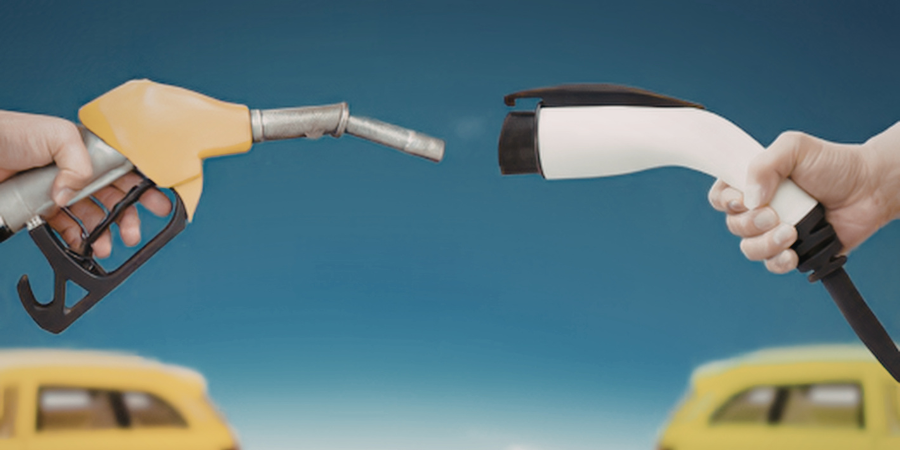
Choosing between an electric car (EV) and a hybrid car (HEV/PHEV) is one of the biggest decisions for modern car buyers. Both technologies are designed to reduce fuel consumption and emissions, but they work in very different ways.
In this blog, we’ll compare Electric vs Hybrid Cars in terms of performance, cost, mileage, maintenance, and real-world usability.
An electric car runs only on electricity stored in a battery. It does not use petrol or diesel.
A hybrid car uses two power sources:
The system automatically switches between them for better efficiency.
| Feature | Electric Car (EV) ⚡ | Hybrid Car 🚗 |
|---|---|---|
| Power Source | Battery only | Petrol + Electric |
| Fuel | Electricity | Petrol + Electricity |
| Emissions | Zero emissions | Low emissions |
| Charging | Required | Not required (mostly) |
| Running Cost | Very low | Medium |
| Purchase Price | High | Moderate |
| Maintenance | Low | Medium |
| Long Distance Travel | Limited by charging stations | Easy & flexible |
| Performance | Instant torque, smooth | Balanced performance |
| Best For | City driving | City + highway |
There is no single winner between Electric vs Hybrid cars. It depends on your usage:
👉 In simple terms:
EVs are cheaper in running cost, but hybrids are cheaper in infrastructure dependency.
EVs are better environmentally, but hybrids are more practical for long travel.
Most hybrids do not need external charging (except plug-in hybrids).
Both last long, but EVs have fewer mechanical parts.
Limited charging infrastructure and charging time.