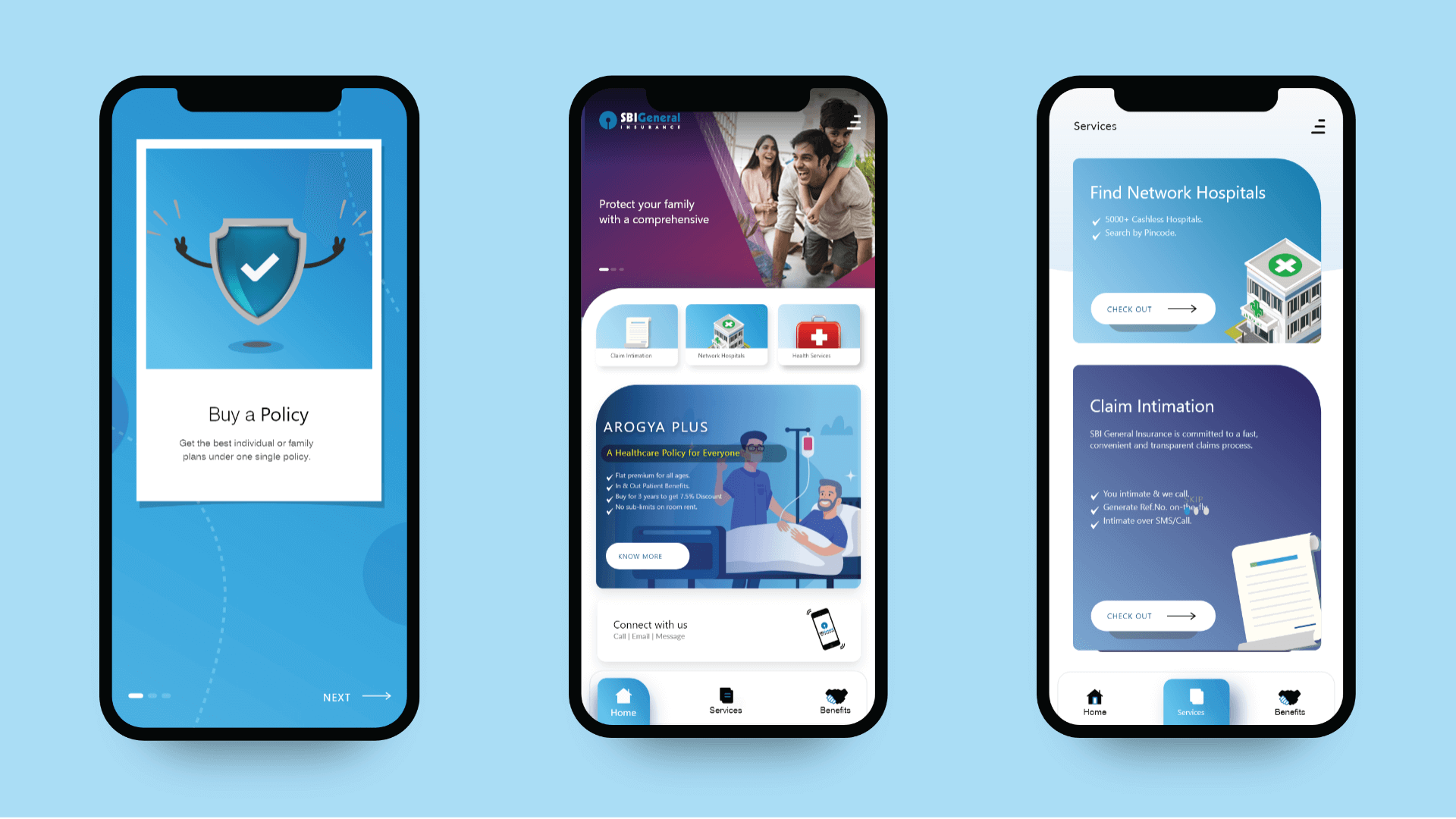
In the USA, the insurance industry is experiencing a rapid transformation due to the high adoption of artificial intelligence. Insurers are taking advantage of intelligent systems across all aspects of their business, such as underwriting and claims processing, to improve efficiency, reduce fraud, and improve customer experiences with more personalized products. Therefore, developing AI-Powered Insurance Software is now one of the most important objectives for new entrants and already established players in this market.
If you’re looking to enter this market, understanding how to develop AI-Powered Insurance Software, what technologies are necessary, and what regulations will impact your development process is vital so that you are prepared when you begin creating your AI-Powered Insurance Software. This article will provide an overview of everything you need to know about developing AI-Powered Insurance Software.
Artificial intelligence (AI) has moved from being a thing of the future to now changing how companies operate within the insurance sector in the US today. Most legacy insurance companies were set up to function based on people doing processes manually, waiting days or weeks to settle a claim, and providing generalist products that can no longer meet the needs of consumers today.
With the use of AI-Powered Insurance Software, an insurer can automatically make underwriting decisions using predictive analytics to assist with detecting fraudulent claims as they happen and to provide personalized policies based on each individual customer’s behaviors.
AI chatbots and virtual assistants are able to assist insurers with improved customer service through immediate, accurate responses while enhancing the experience for customers. As the US Insurance Industry becomes more competitive, AI has gone from an option to an absolute requirement for insurance companies in order to maintain their relevance and efficiency in today’s tough environment.
To build a robust and long-lasting AI-enabled insurance software platform, it is important to have cutting-edge technology capabilities, and you can also take the help of a fintech app development company. The right technologies provide the basic building blocks of a modern insurance platform. They also enable companies to automate processes, decrease risk, and provide a customer-centric experience for their customers at an unprecedented scale.
One of the biggest changes that AI has made to the insurance industry is in relation to intelligent underwriting. Historically, underwriting has been a very manual process, with underwriters spending a large amount of time evaluating customer and risk data, but now with AI technology, underwriting can be done much more quickly and accurately.
Fraud is one of the largest challenges that the insurance industry faces. Insurance fraud is expensive and costs insurers billions of dollars annually. To prevent insurance fraud, insurance providers are leveraging AI technology, Intelligence-Powered (AI) Insurance Software, using predictive algorithms to help detect possible fraudulent behavior. The AI can forecast patterns and trends in claim activity, detect inconsistencies in claim activity, and alert providers of potentially fraudulent or suspicious transactions.
Many customers will become dissatisfied with their experience if they encounter delays when having their claims processed. A complete claim lifecycle can be automated through the use of AI in an insurance company’s systems, which leads to a faster turnaround time for claim processing than if done manually. AI technology has provided a mechanism for determining an appropriate value for a claim through the intelligent analysis of submitted documentation, images, and video evidence.
Today’s consumers expect personalized experiences, and artificial intelligence (AI) can provide these through insights based on data. AI analyzes user behavior, interests, etc., using analytics in order to design insurance products that meet the needs of each individual customer.
Building AI-enabled insurance applications requires a solid structure with equal weight given to technology, regulatory compliance, and business goals. Every step from defining the objectives through deploying the intelligent system, each step involved in developing an AI insurance software solution, plays a vital part in the success within the highly competitive U.S. insurance industry. You can hire AI developers to integrate AI in insurance app.
The first step in building an AI software application is to create a defined set of goals or objectives, such as improving claims processing or decreasing fraudulent claims. At the same time, understanding U.S.-related regulatory compliance, including CCPA (California Consumer Privacy Act), and how the associated laws impact the business to ensure compliance with regulations and to mitigate potential legal risk factors.
Having identified your business goals, the next step will be to choose and develop a technology stack of AI Frameworks (Artificial Intelligence Frameworks) and cloud platforms that allow for both performance and scalability, as well as collect and prepare high-quality data to ensure satisfactory accuracy when creating predictive models to effectively support the implementation and long-term viability of an effective AI software application.
Designing Machine Learning Models for Use Cases such as Underwriting and Fraud Detection. Once the models are developed, they are integrated into the platform via APIs and user interfaces, providing a seamless experience to end-users.
Performance, Security & Accuracy of the software must be verified through rigorous testing before releasing the software into production. Once introduced into production, the software will continue to be monitored and updated in order to enhance the AI models as well as provide optimal efficiency for the system.
No longer an emerging technology in Insurance Companies doing business in the United States, but now a considerable goal for Insurers who want to remain competitive in an ever-changing marketplace, building AI-powered insurance software is the combination of intelligent automation, data-driven decisions, and knowledge of compliance standards, providing Insurers with the ability to move back to their original purpose as a business—to provide Customer Service by transforming traditional Insurance processes into more efficient and more customer-focused processes (i.e., faster underwriting, faster claims processing, etc.) through the use of AI.
Achieving success requires utilizing a structured Software Development Lifecycle, leveraging appropriate tooling, and continuously optimizing/enhancing performance. Companies that invest early within this process will position themselves to effectively scale their investment and mitigate both investment risk and attrition risks for their Customers by delivering an outstanding overall customer experience. Partnering with the right AI software Development Company can help you in making your AI-powered insurance app easy and seamless.